

If you’ve ever stared at a pile of fasteners wondering how to organize them, you’re not alone. A common question we get is: Can I store anchor bolts with regular bolts, or will they damage each other? The short answer: It’s not recommended, but it depends on the storage method. Let’s break down why mixing them can cause issues and how to store anchor bolts and regular bolts safely.
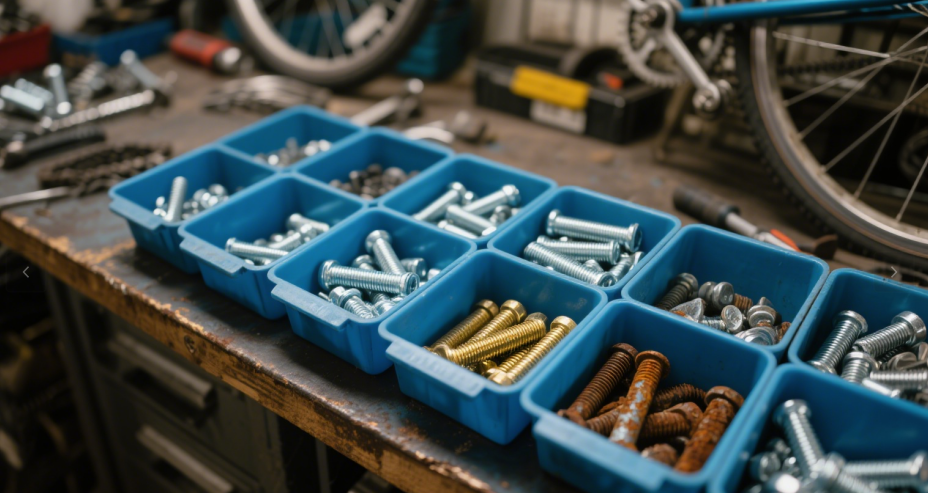
Why Storing Anchor Bolts with Regular Bolts Risks Damage
Anchor bolts (heavy-duty fasteners used to secure steel columns, equipment, or structures to concrete) and regular bolts (everyday fasteners for general tightening) may look similar, but their differences make mixed storage risky. Here’s what can go wrong:
Thread Damage Is the Most Common Risk
Anchor bolts typically have thick, deep threads designed to grip concrete or masonry tightly. Regular bolts—like hex bolts or machine bolts—have finer threads for precise, snug connections. When jostled together in a bin:
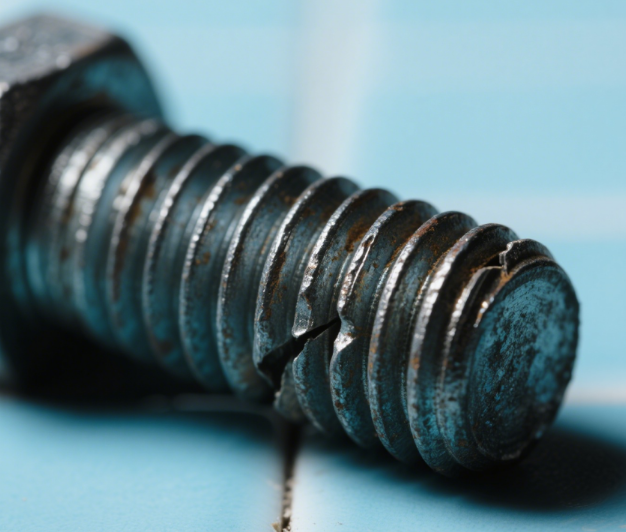
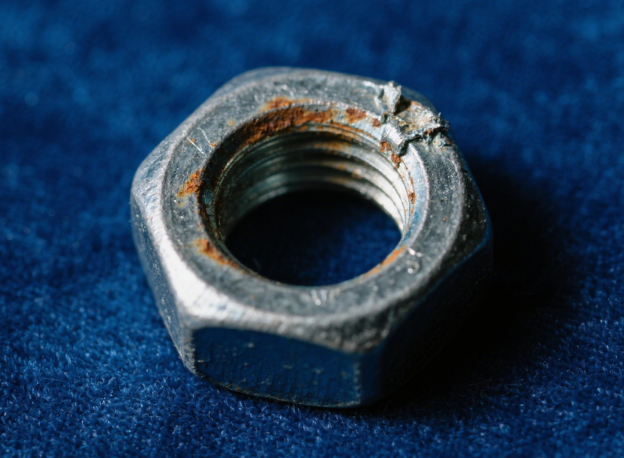
Corrosion Spreads Faster
Many anchor bolts are galvanized (zinc-coated) to resist rust, especially for outdoor or damp concrete applications. Regular bolts may be bare steel, painted, or have different coatings. When stored together:
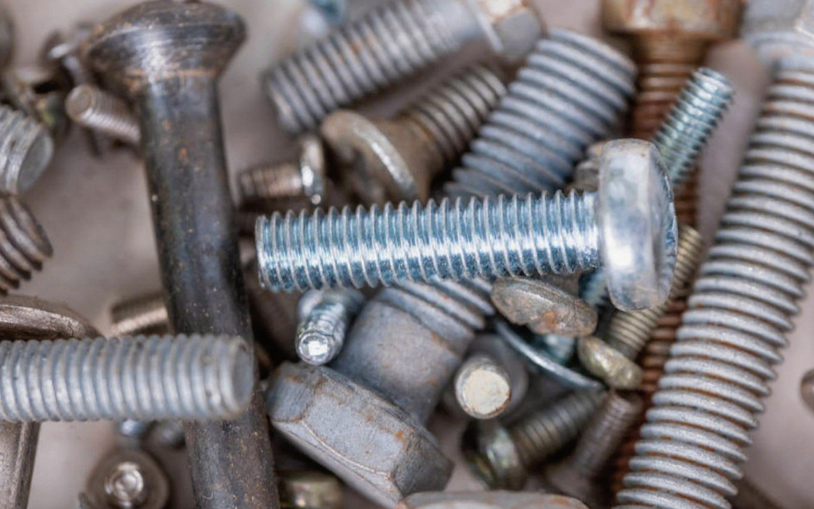
Confusion Wastes Time (and Money)
Anchor bolts come in specific lengths (often 12+ inches) and shapes (L-shaped, J-shaped, etc.). Regular bolts are shorter and straighter. Mixing them forces you to waste time sorting later. Worse, mistaking a regular bolt for an anchor bolt (or vice versa) leads to loose connections and potential failures.
When Can They Be Stored Together (Temporarily)?
If you’re in a bind (e.g., limited storage space), follow these rules to minimize damage when storing anchor bolts with regular bolts temporarily:
- Separate by size first: Keep small regular bolts away from large anchor bolts—bigger size differences mean more collision damage.
- Use dividers or compartment boxes:
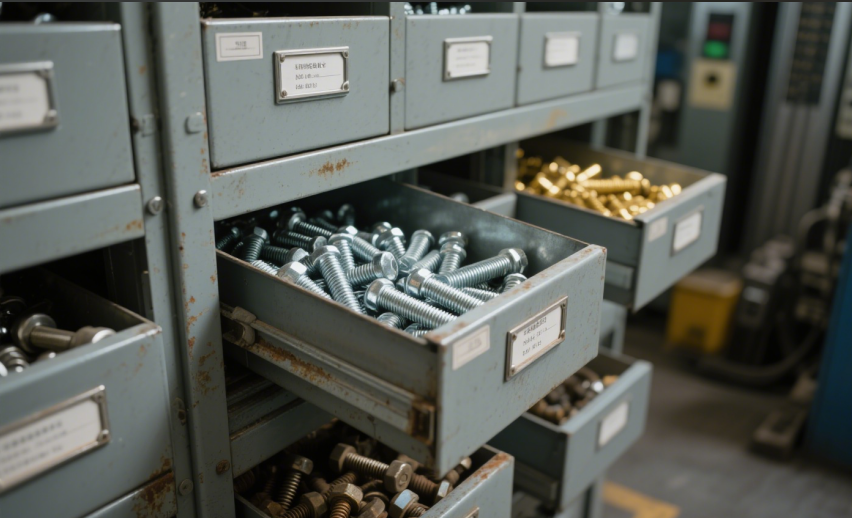
- Avoid heavy-on-light stacking: Never let heavy anchor bolts rest on small regular bolts—this crushes threads or bends shanks.
- Check coatings: If using galvanized anchor bolts with bare steel regular bolts, add felt or plastic between them to prevent scratches.
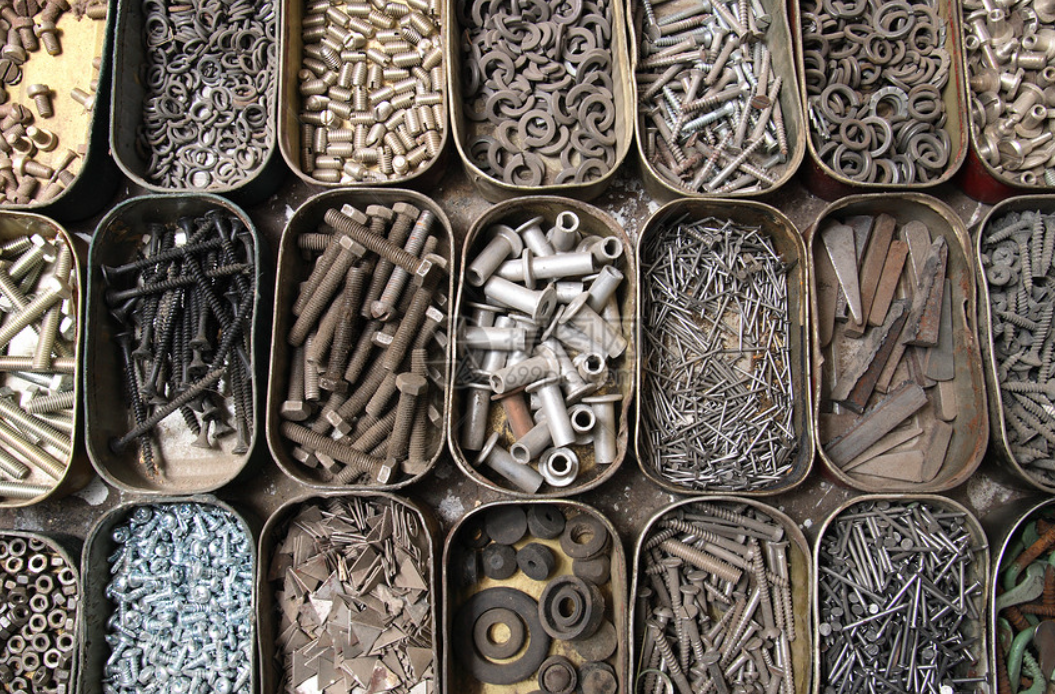
Best Practices for Storing Anchor Bolts and Regular Bolts
For regular bolts, it's important to keep them dry by storing them in climate-controlled areas; for bare steel regular bolts, a thin layer of machine oil can be applied to prevent rust (just remember to wipe it off before use), and they should be stored with their matching nuts and washers in the same compartment for easy access. As for anchor bolts, if hanging isn't feasible, they need to be placed in dry, sealed plastic bins with desiccants to absorb moisture, and the bottom of the bins should be lined with foam to protect the threads; additionally, they should be clearly labeled with details such as length, diameter, and coating (e.g., “Galvanized L-shaped anchor bolt, 16 inches”) to avoid confusion.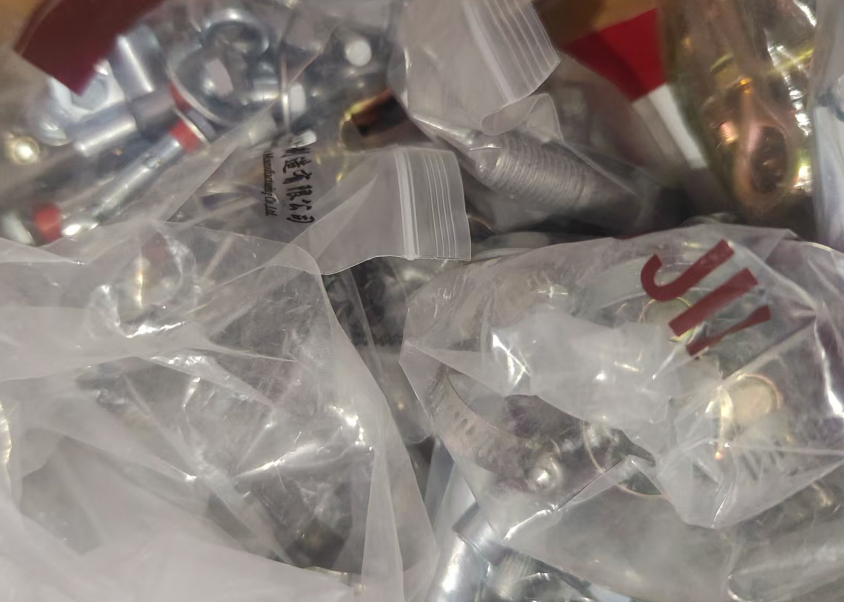
Conclusion
Anchor bolts are “workhorses” for heavy, permanent loads; regular bolts handle daily fastening. Treating them as interchangeable during storage undermines their performance. Taking time to store them separately avoids costly replacements and, more importantly, structural failures.
By following these steps, you’ll keep anchor bolts and regular bolts in top condition, ready to perform when you need them.
Post time: Jul-10-2025